The Heights Golf Club
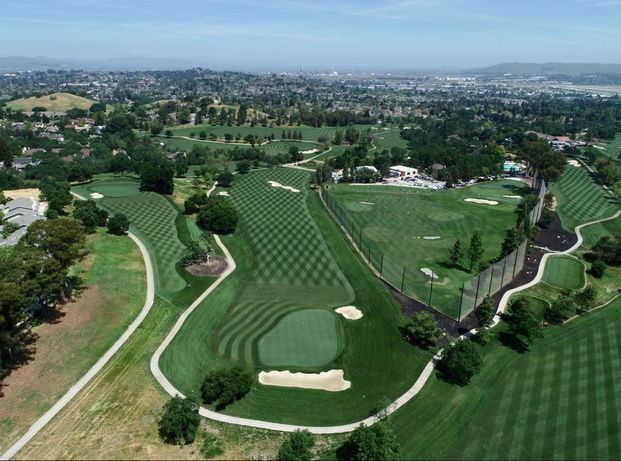
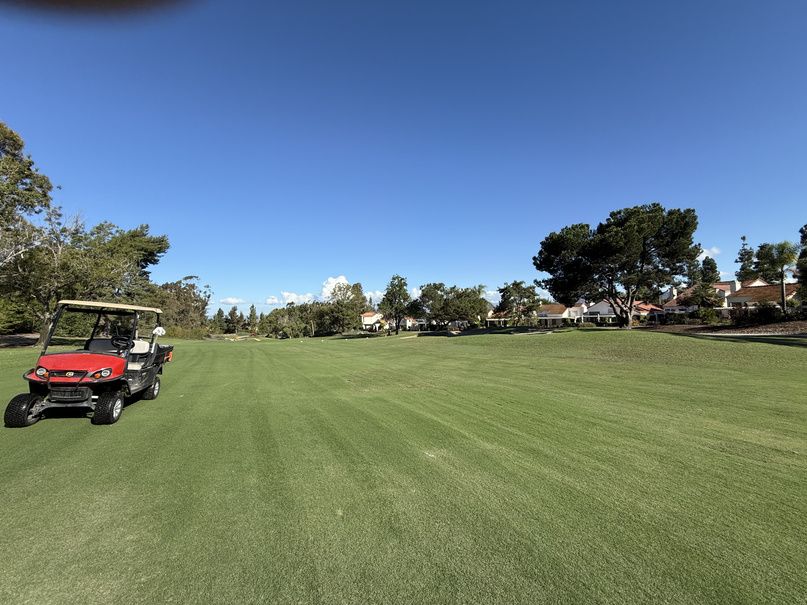
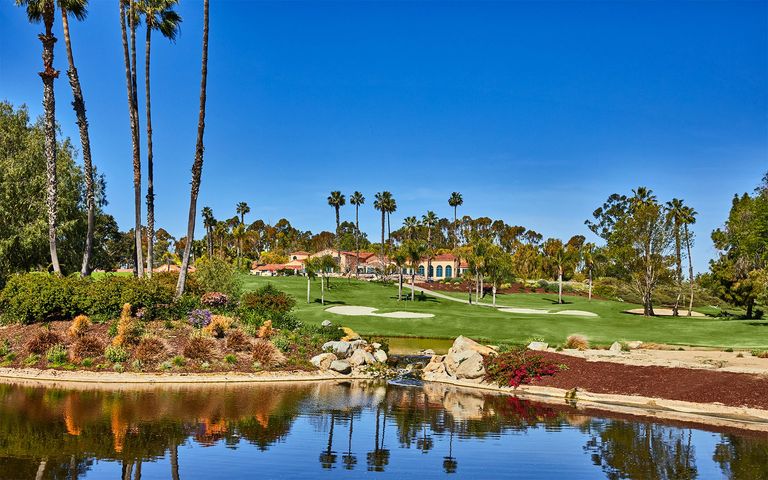
A private club in the hills of San Diego, built around a classic Ted Robinson layout. Rolling terrain, strategic bunkering and the coastal climate reward precise turf management every day of the year.
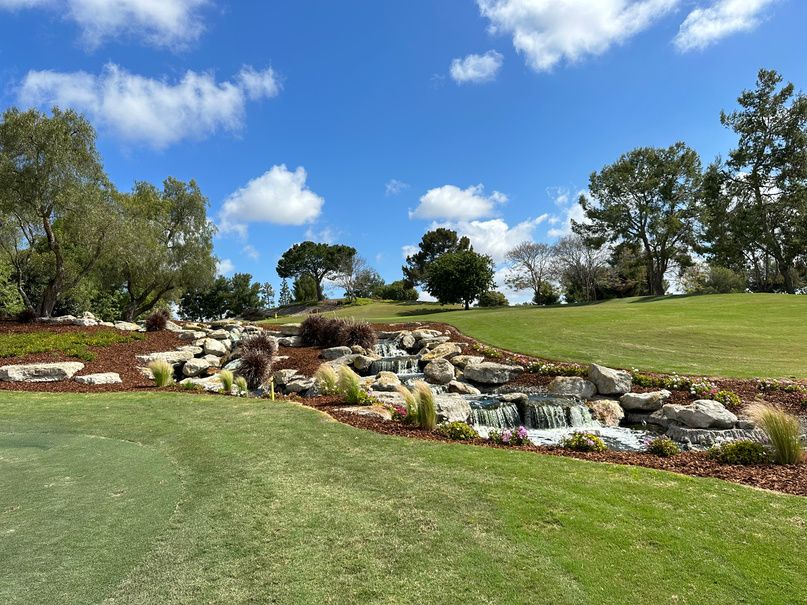
I'm a golf course superintendent who believes great conditions come from sound infrastructure, smart water management and a crew that takes pride in its work.
As Golf Course Superintendent at The Heights Golf Club, I oversee all agronomic operations, including turf health, water management, staff leadership, infrastructure and long-term conditioning. I've built my career at respected clubs across California: Aliso Viejo Country Club, Yocha Dehe Golf Club, Contra Costa Country Club and Winchester Country Club.
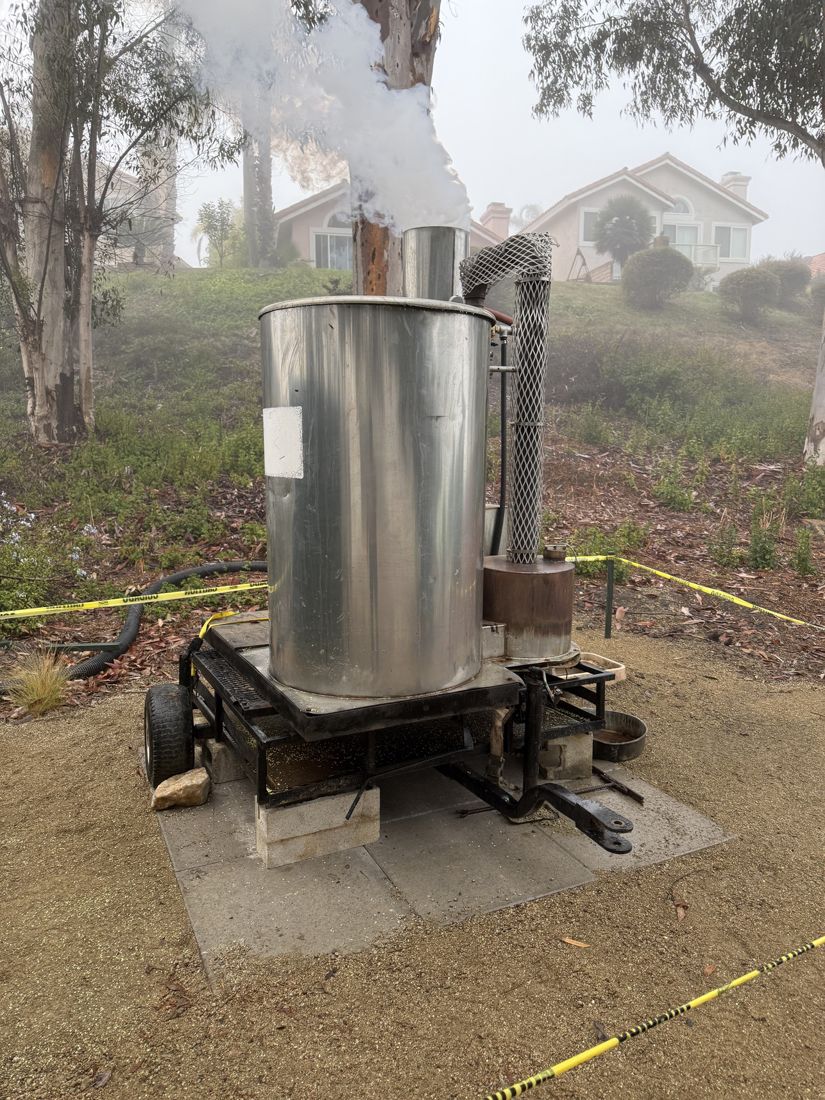
At The Heights I've led a greens expansion, renovated five tee boxes in house, corrected drainage on multiple greens, installed a sulfur burner to improve irrigation water quality and upgraded the maintenance facility. Those projects have significantly improved turf coverage, course consistency and member satisfaction.
I've managed Poa annua and bentgrass greens and Bermudagrass playing surfaces on challenging irrigation water, which has shaped a data-driven approach focused on sustainability, efficiency and playability. Just as important to me is clear communication: through regular course updates and my quarterly “Turf Talk,” I help members understand what we're doing on the course and why.
Ten years at private, resort and championship courses, from the Sierra foothills to the Southern California coast.

A private club in the hills of San Diego, built around a classic Ted Robinson layout. Rolling terrain, strategic bunkering and the coastal climate reward precise turf management every day of the year.

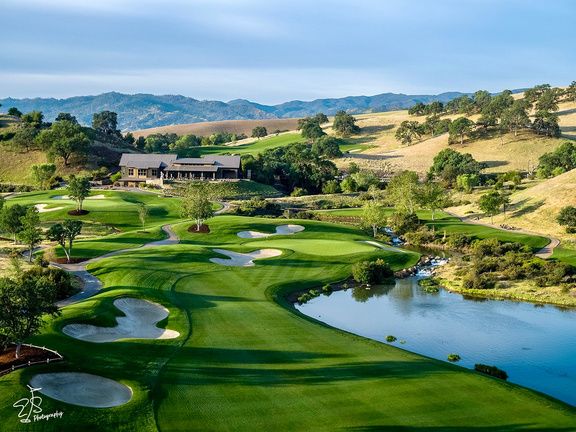
A Jack Nicklaus design tucked into the hills of South Orange County. With close to 60,000 rounds a year, it's one of the region's busiest clubs, and a quiet escape where members get away from city life.

Brad Bell's design rolls through the hills of the Capay Valley in Northern California. It's consistently ranked among the best casino courses in the country and the top courses in the state.

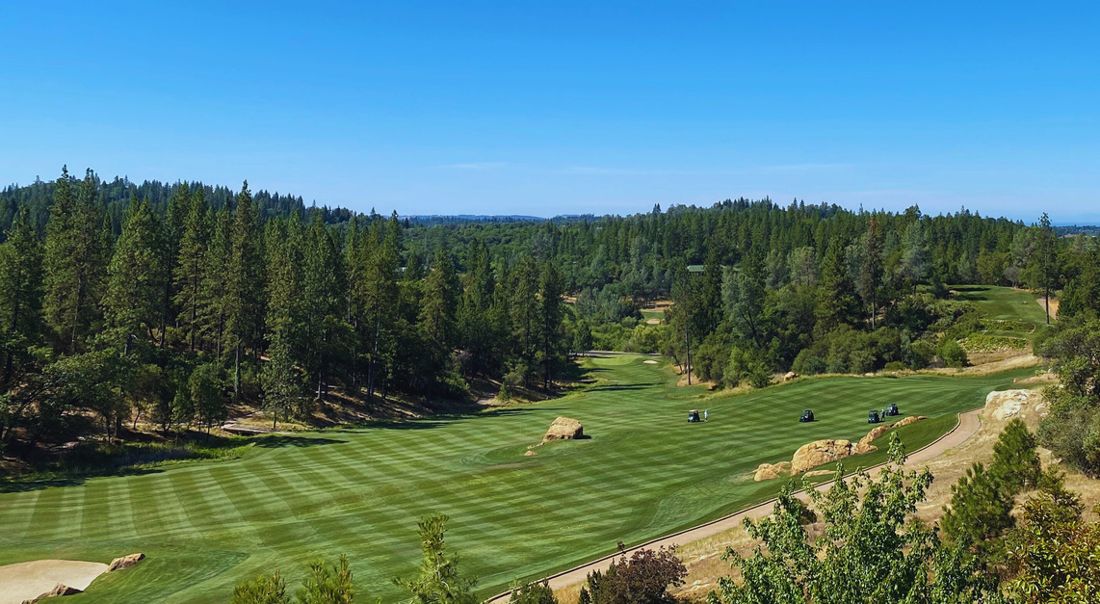
A rare collaboration between Robert Trent Jones Sr. and Jr., and one of the last courses they designed together. Its steep, undulating terrain in the Sierra foothills is where I learned irrigation and installed thousands of linear feet of drainage.

A classic 1925 A. Vernon Macan parkland course, framed by mature trees and views of Mt. Diablo and later renovated by Robert Trent Jones Jr. Every playing surface is irrigated with reclaimed water.
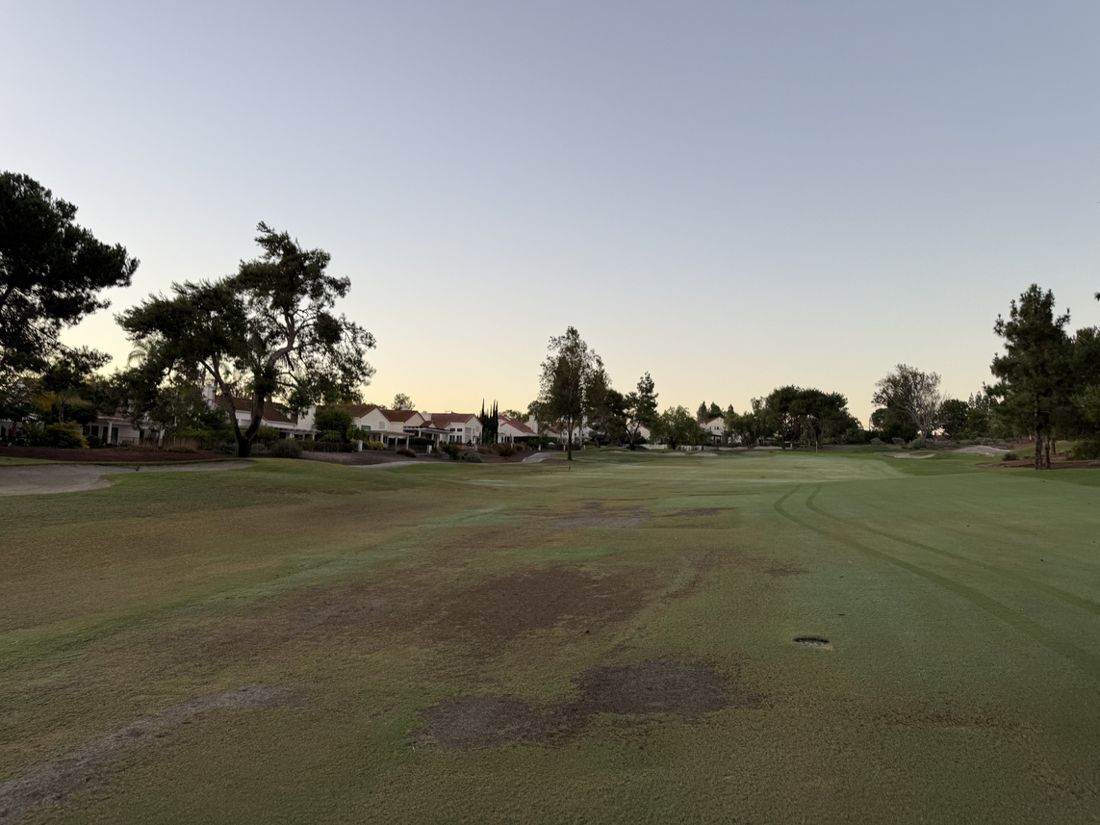
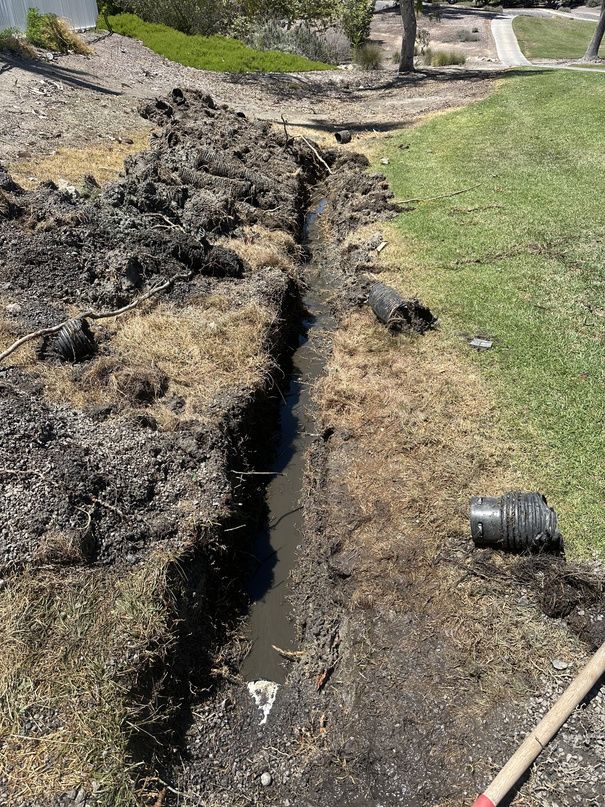
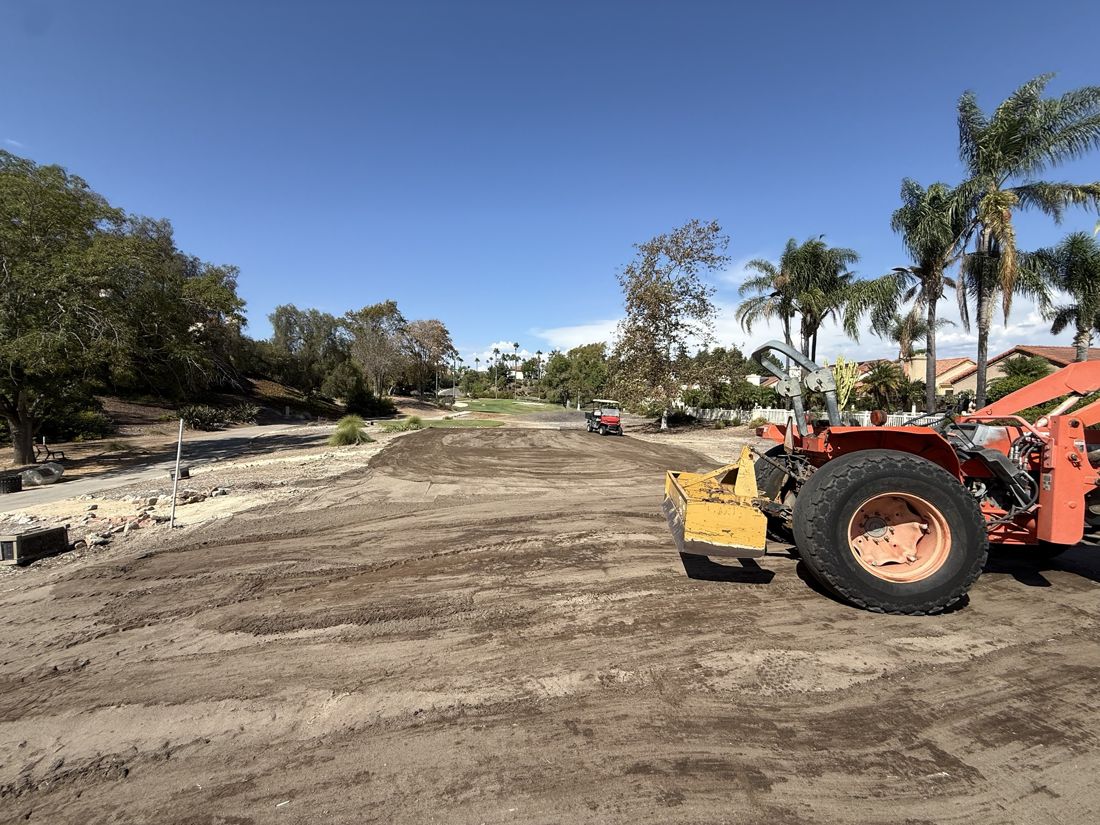
Turning wet, unplayable ground into firm, consistent playing surfaces.
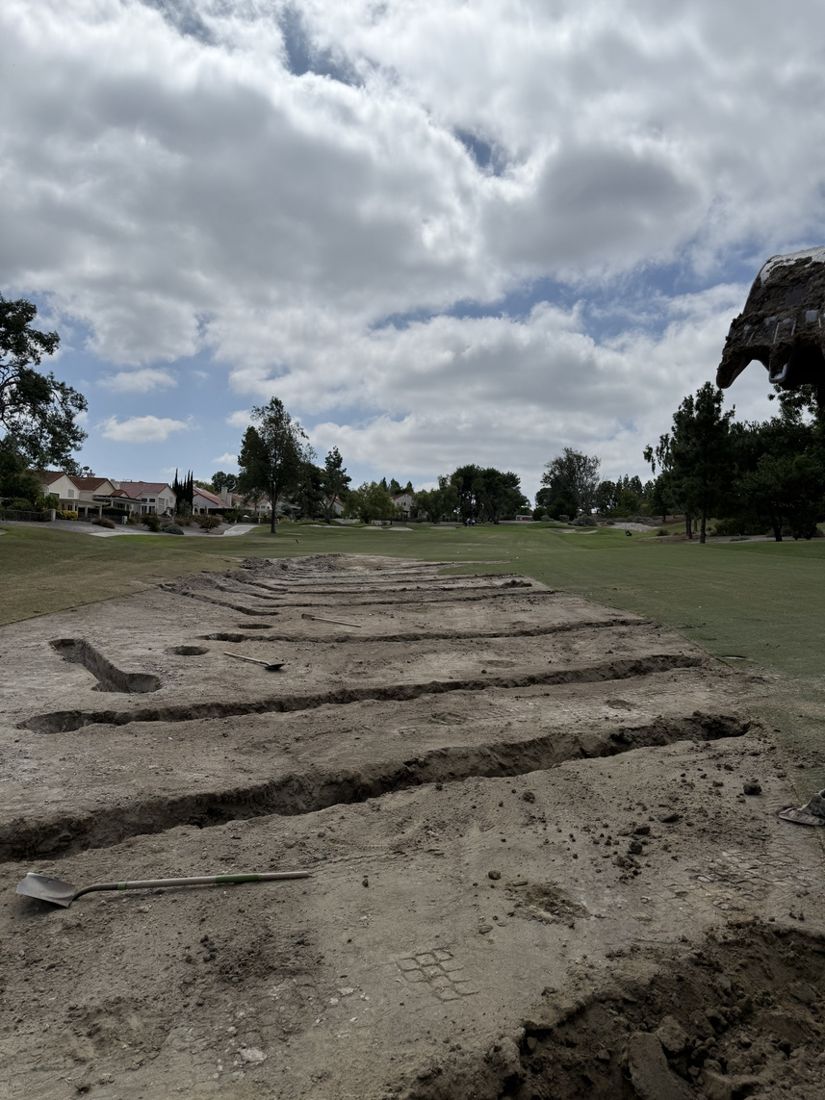
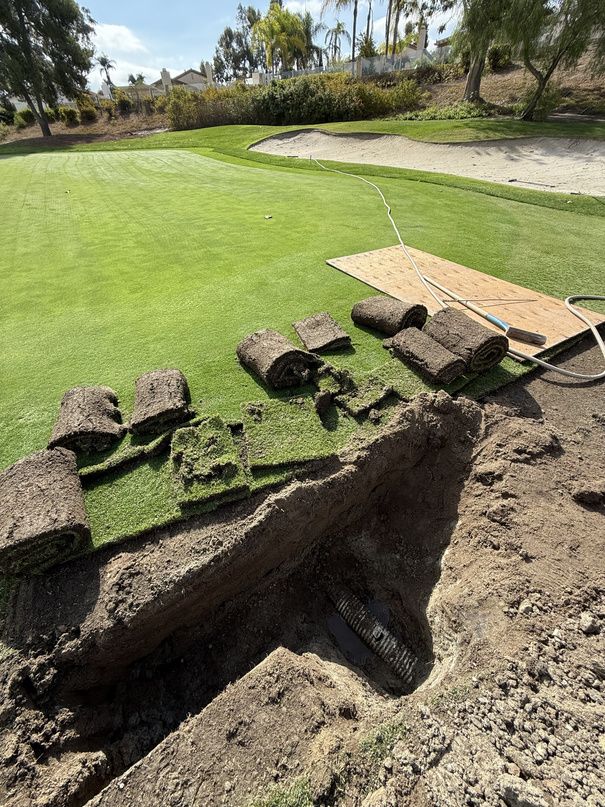
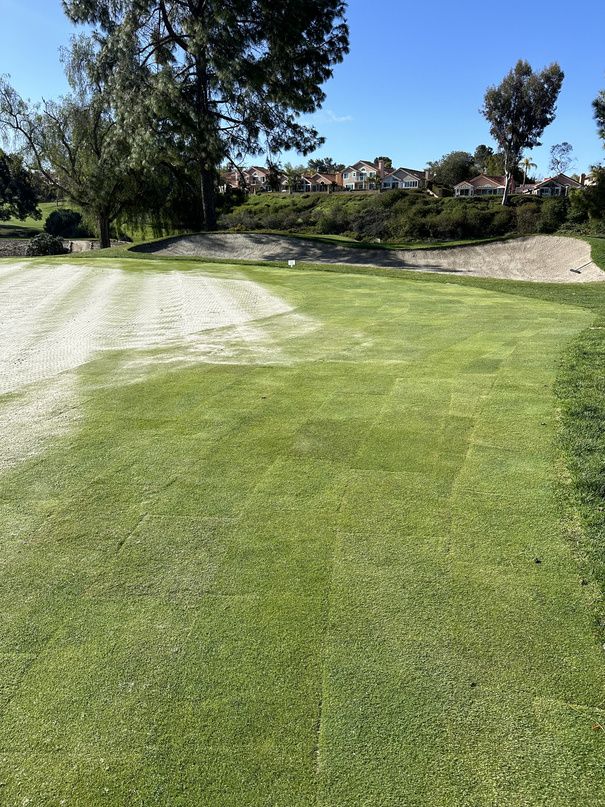
I identified chronic drainage and turf problems in the primary landing zone, then installed more than 500 linear feet of subsurface drainage, amended and regraded the soil, and upgraded the surrounding irrigation heads for better coverage.
The project restored about 7,500 sq ft of previously unplayable turf, finished with new sod and an intensive grow-in of heavy topdressing and targeted fertility.


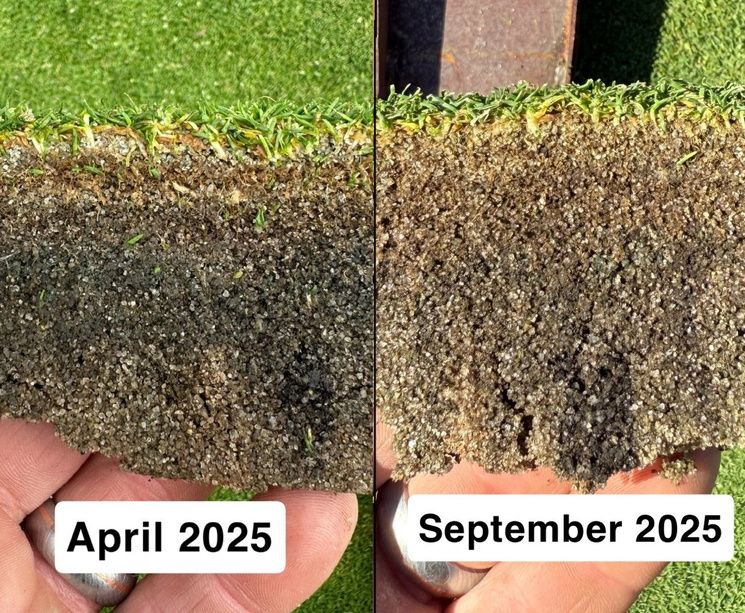
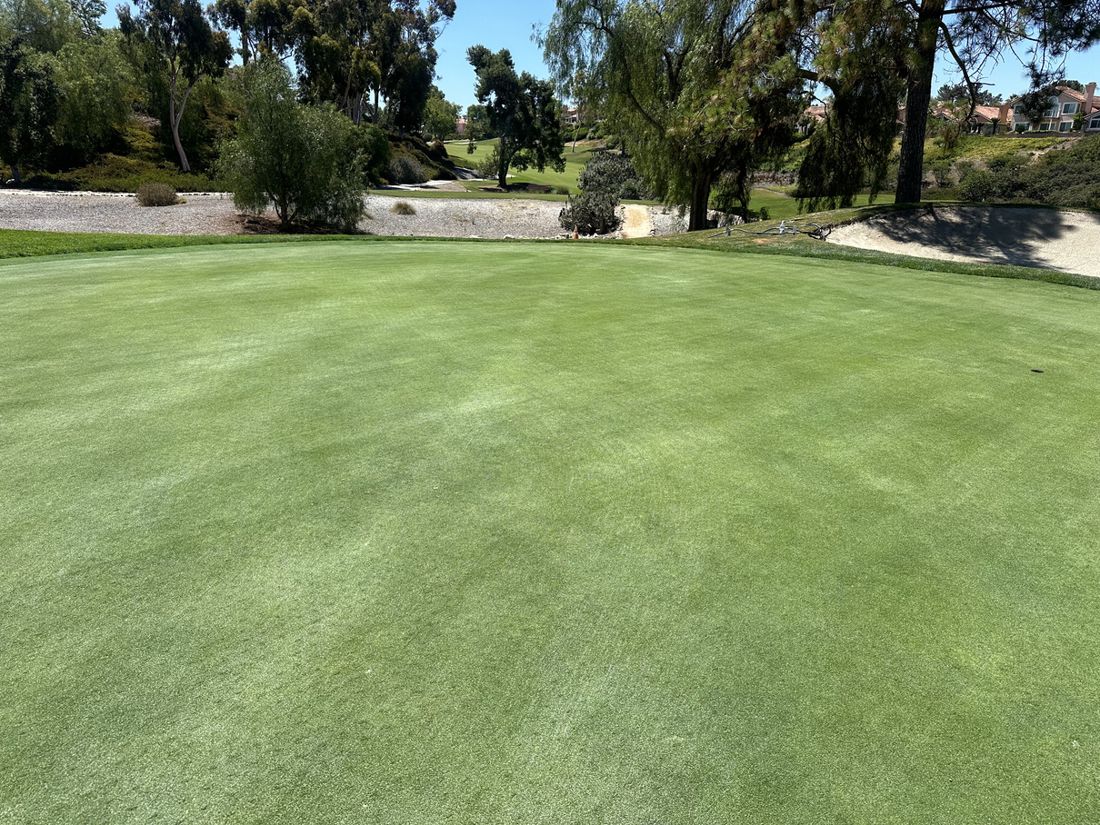
The greens had developed anaerobic soil and black layer. Too much moisture and poor drainage starved the root zone of oxygen, building up organic matter and thatch and leaving a soft, spongy putting surface.
I monitored irrigation closely, found and repaired collapsed drain lines, and put in an aggressive cultural program of more aerification, verticutting and consistent sand topdressing.
The profile went from saturated and anaerobic to firm and well aerated, with better turf density, root health and putting quality.
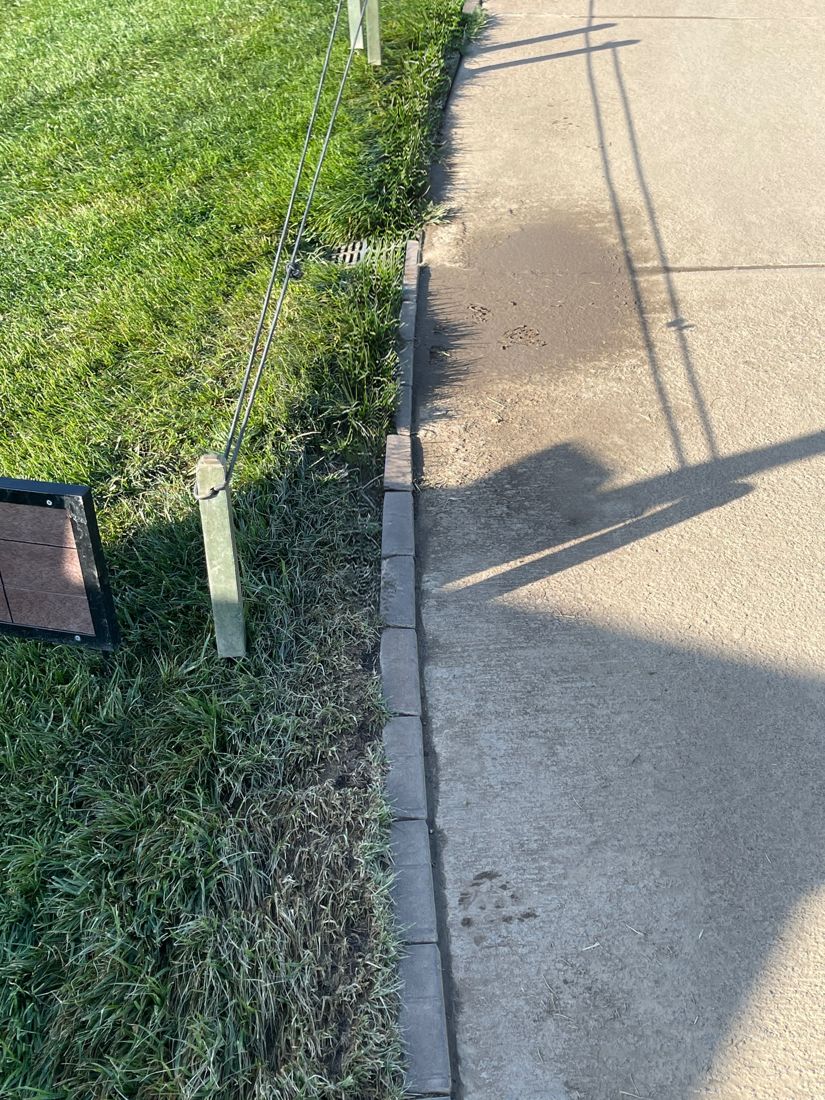
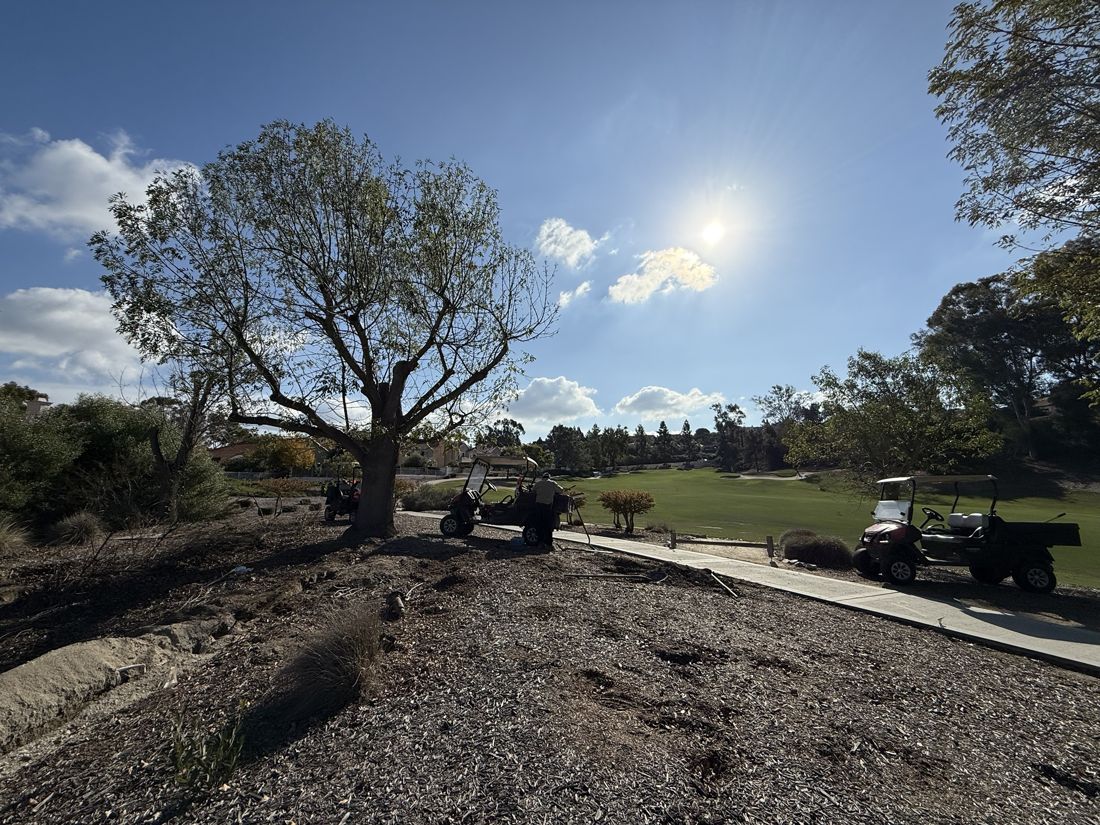
Rather than pour a new curb, I set a line of small pavers along the cart path to steer water where it belongs. It was a low-cost, in-house fix that solved the drainage problem quickly, and it draws on my background in residential construction.

Water is the most influential input in agronomy. Improve it at the source, and you improve soil chemistry, turf health and long-term sustainability.
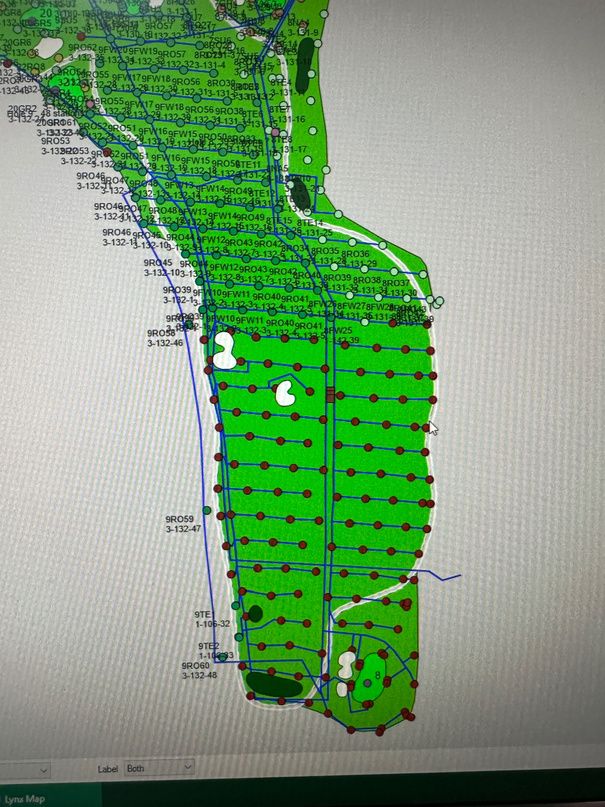
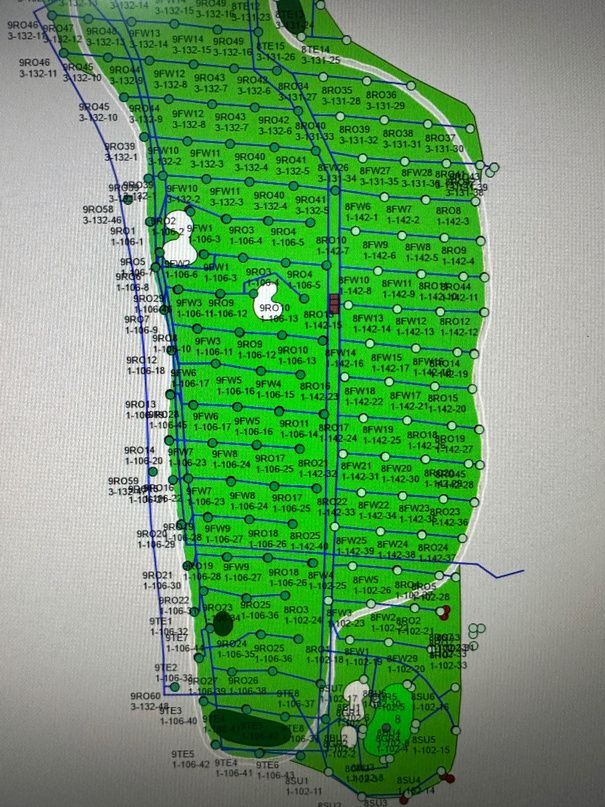
After I joined the team in September 2022, I led a focused effort on irrigation auditing, system efficiency and better water management. That included updating every irrigation head in the central control map so adjustments were faster and more precise.


A sulfur burner burns elemental sulfur to create sulfurous acid, which lowers pH and reduces bicarbonates in irrigation water. Lower alkalinity improves infiltration, nutrient availability and overall soil health.
Why I chose it for The Heights:
Planning, building and growing in projects, from new tees to full renovations, while the course stays open and playing well.


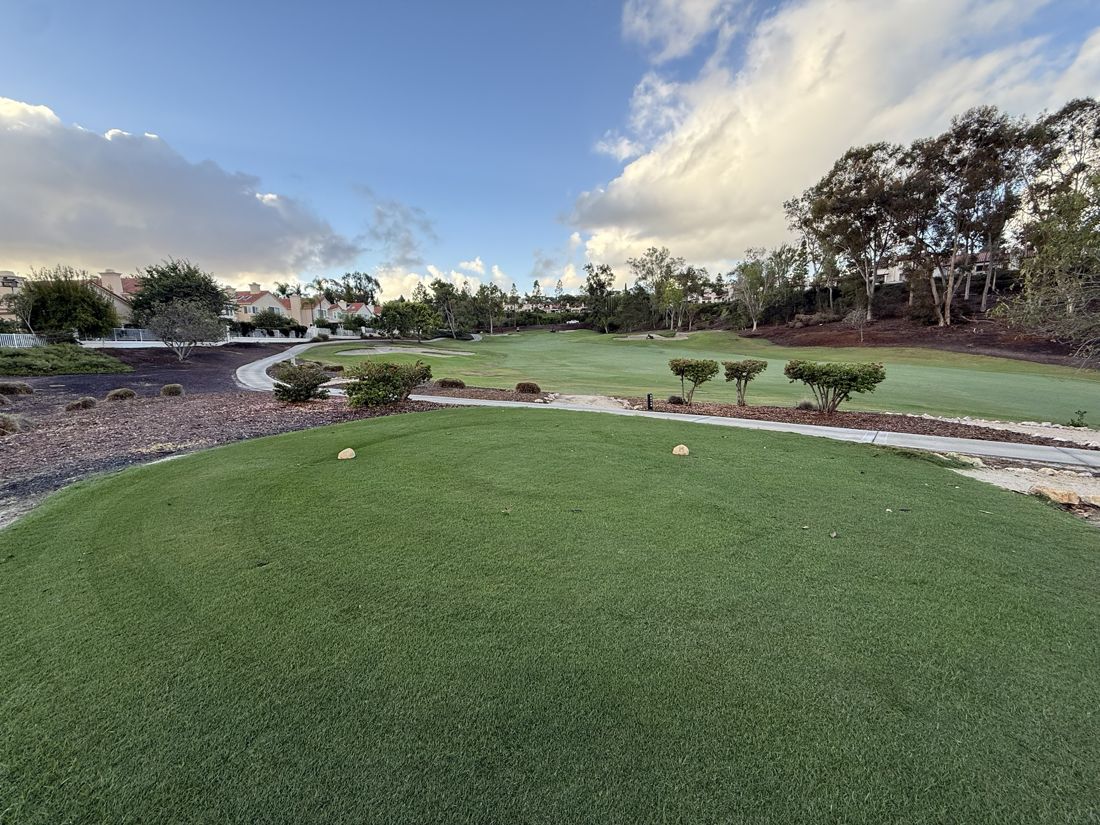
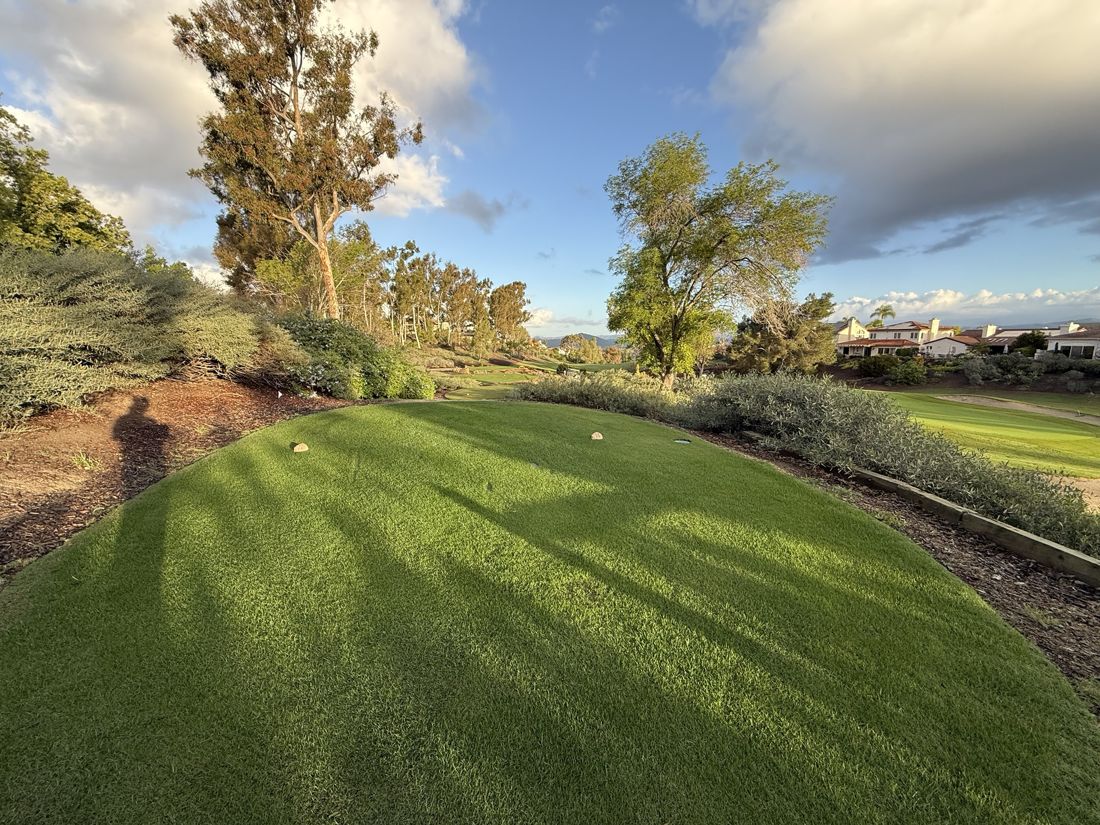
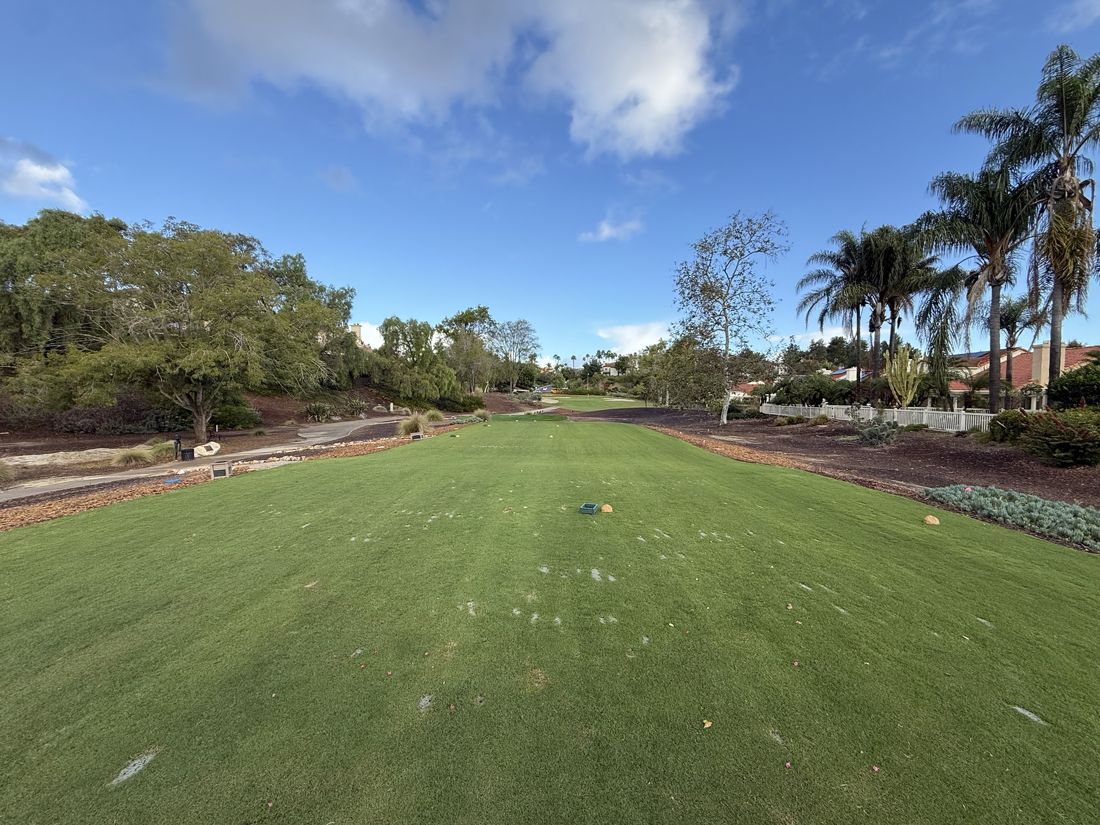
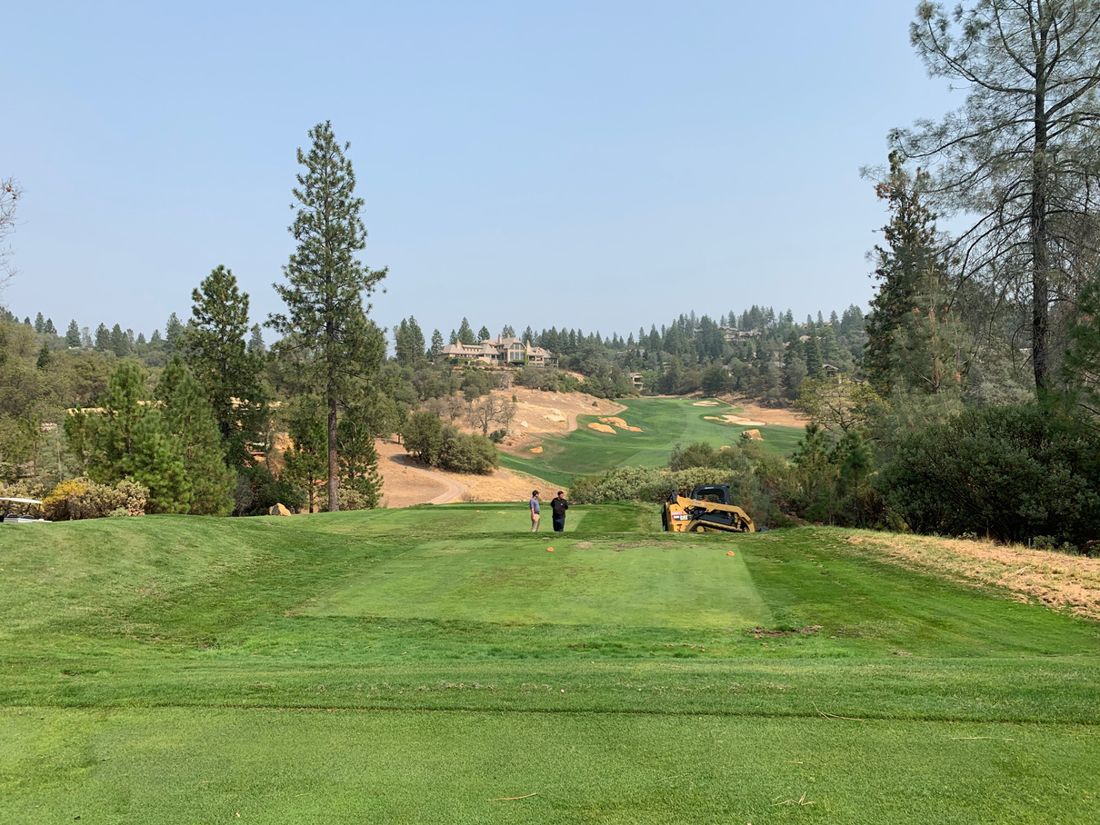
I built a new forward tee on hole 6 in house, turning a mulched landscape bed beside the cart path into a sodded tee that gives shorter hitters a better angle and a more enjoyable start to the hole.
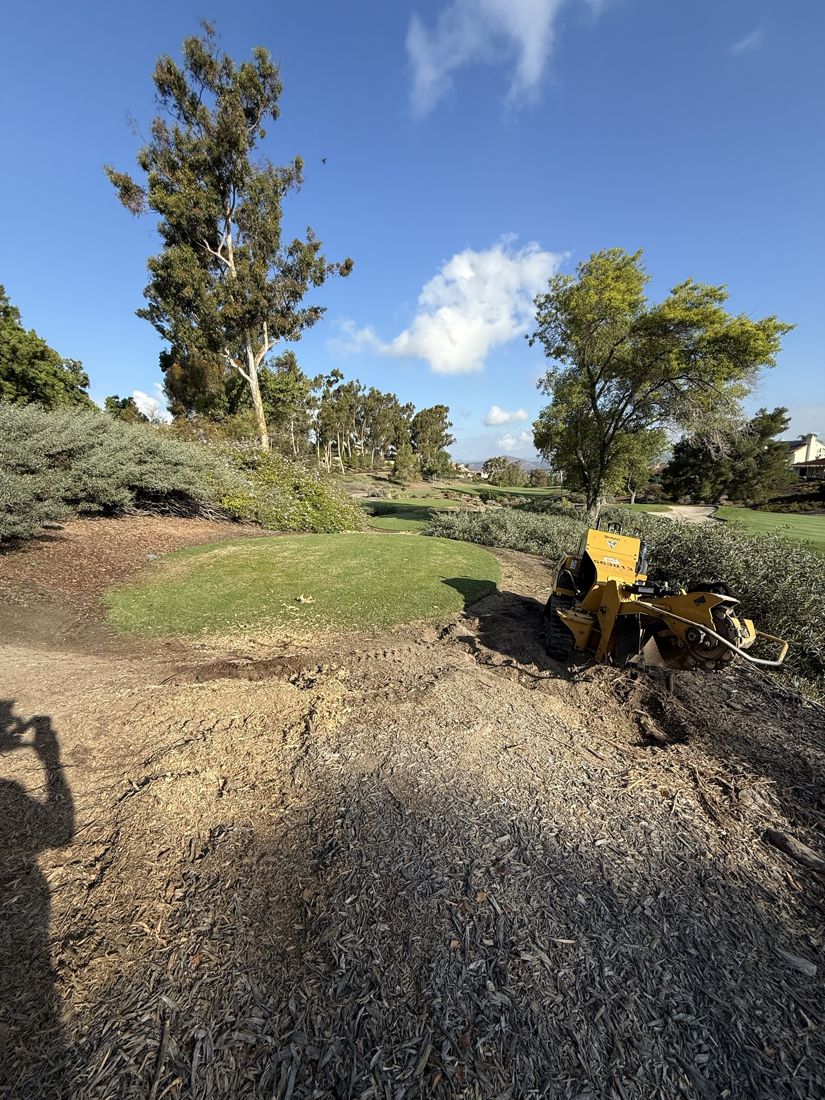
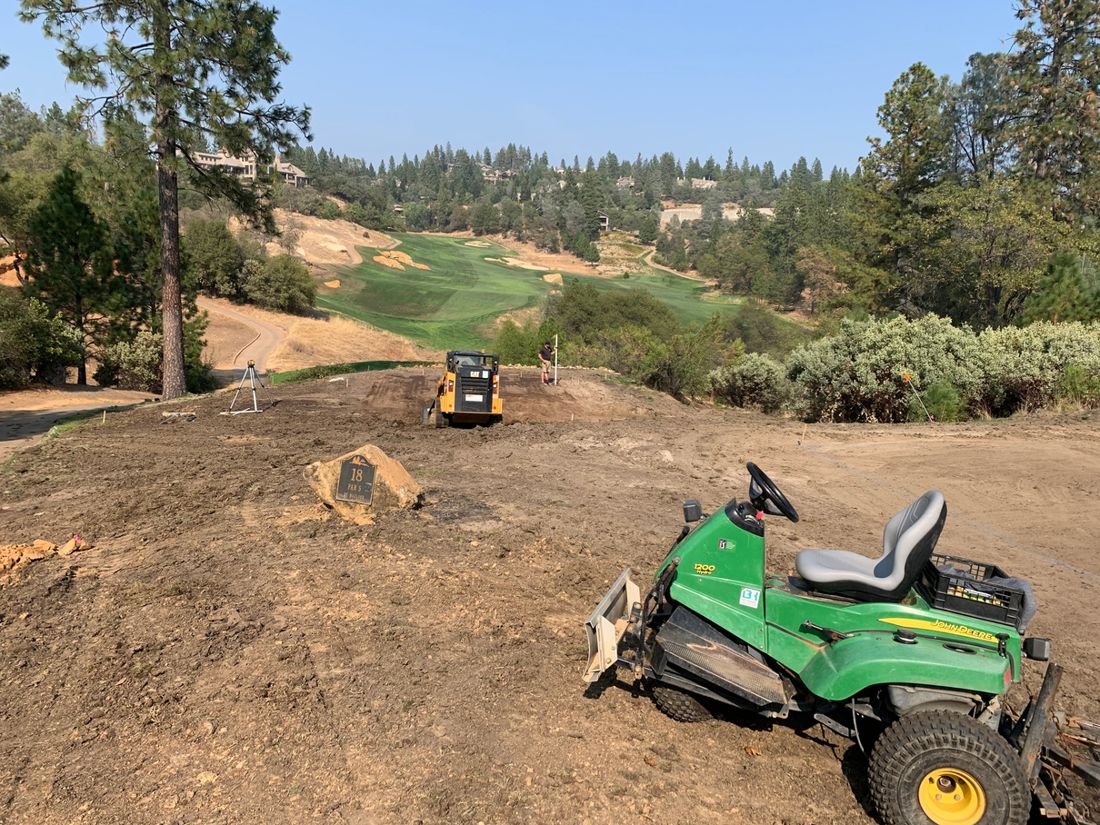
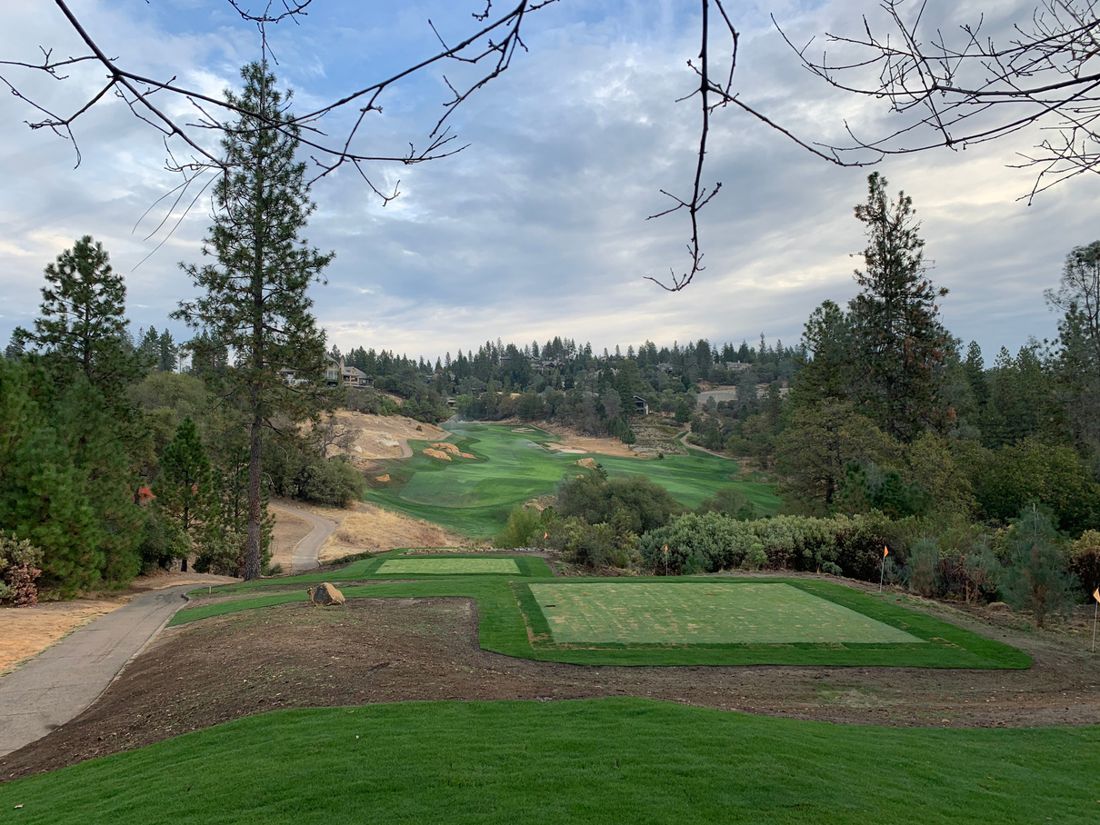
We removed a tree and ground out its stump, excavated the material, then leveled and rebuilt the back tee at twice its original size. The bigger tee spreads out wear and gives a firm, level stance all year.


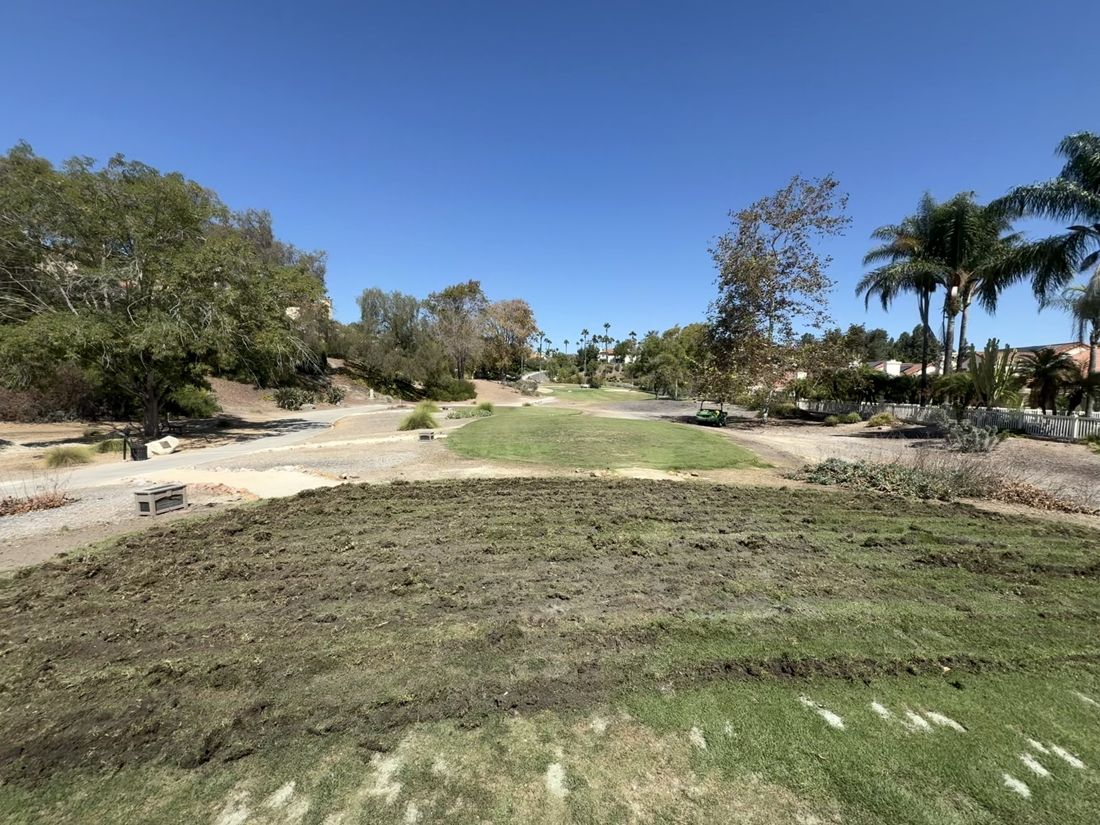
Two sets of tees on our par 3 16th hole were heavily crowned. We stripped the old sod, regraded them flat and built them wider for more even wear.
We also joined the two tees into one surface, removing the small mulch strip and walking path between them for a cleaner look and easier maintenance.


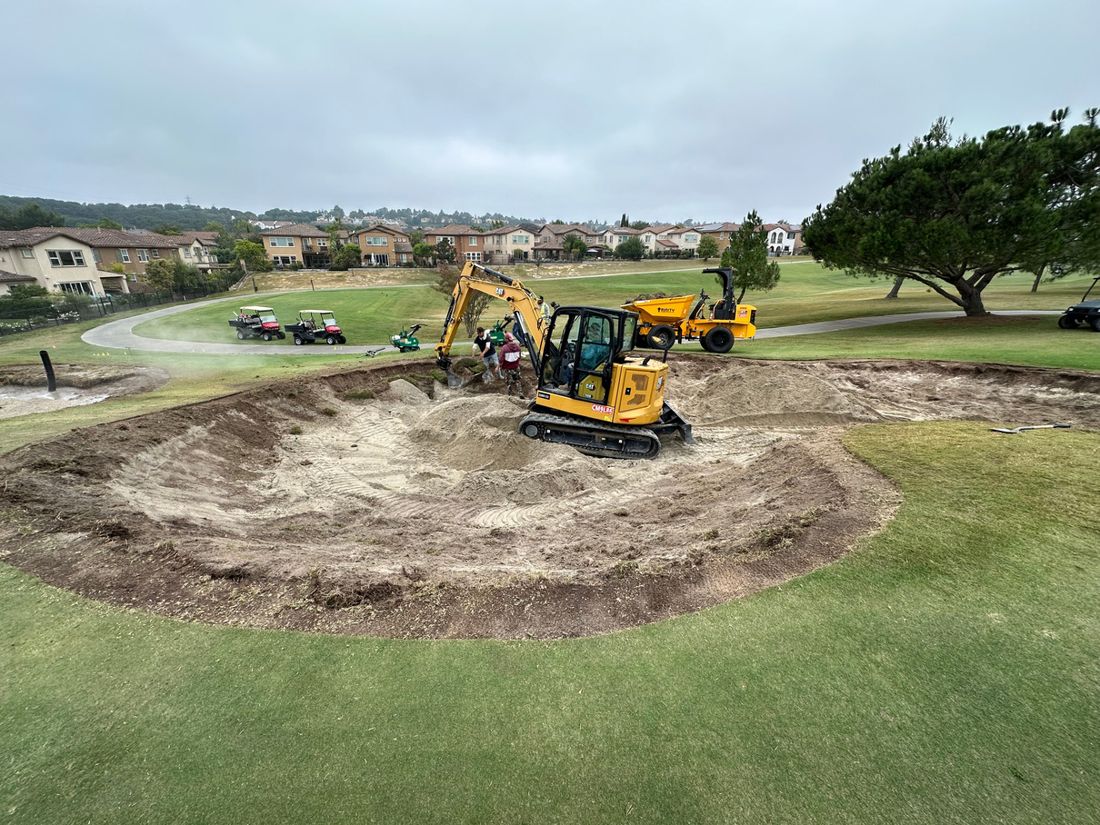
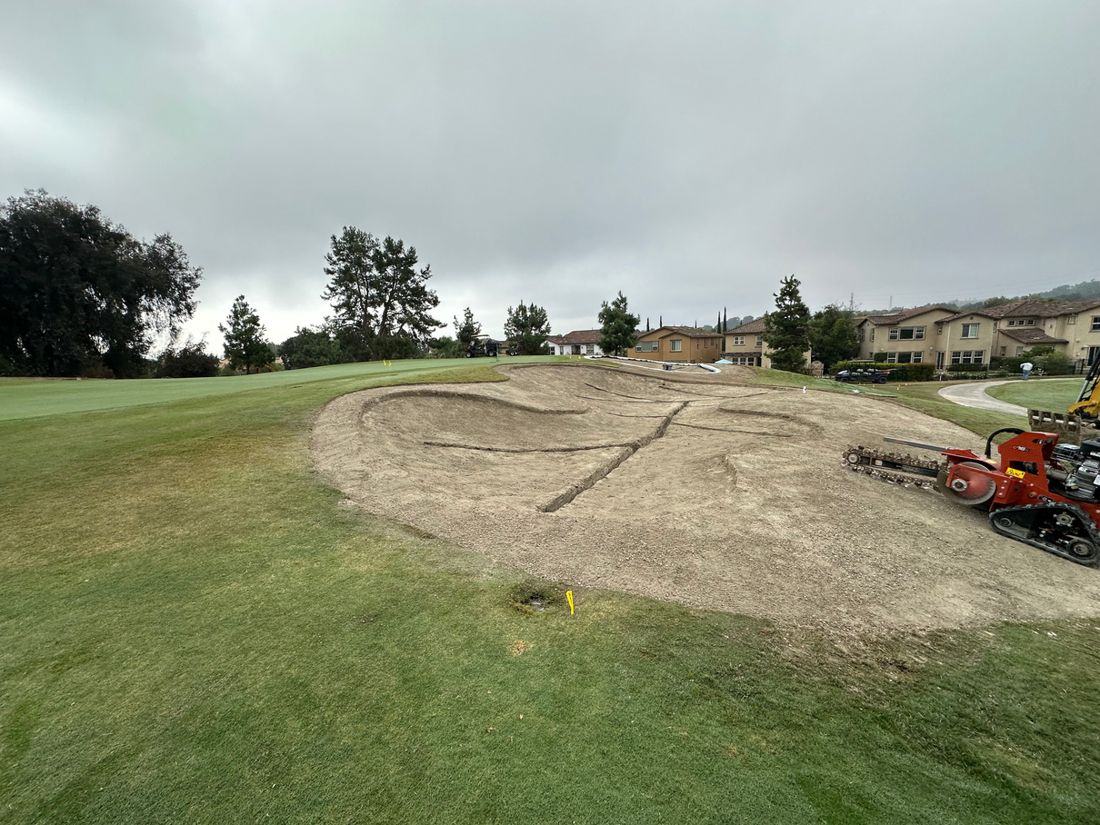
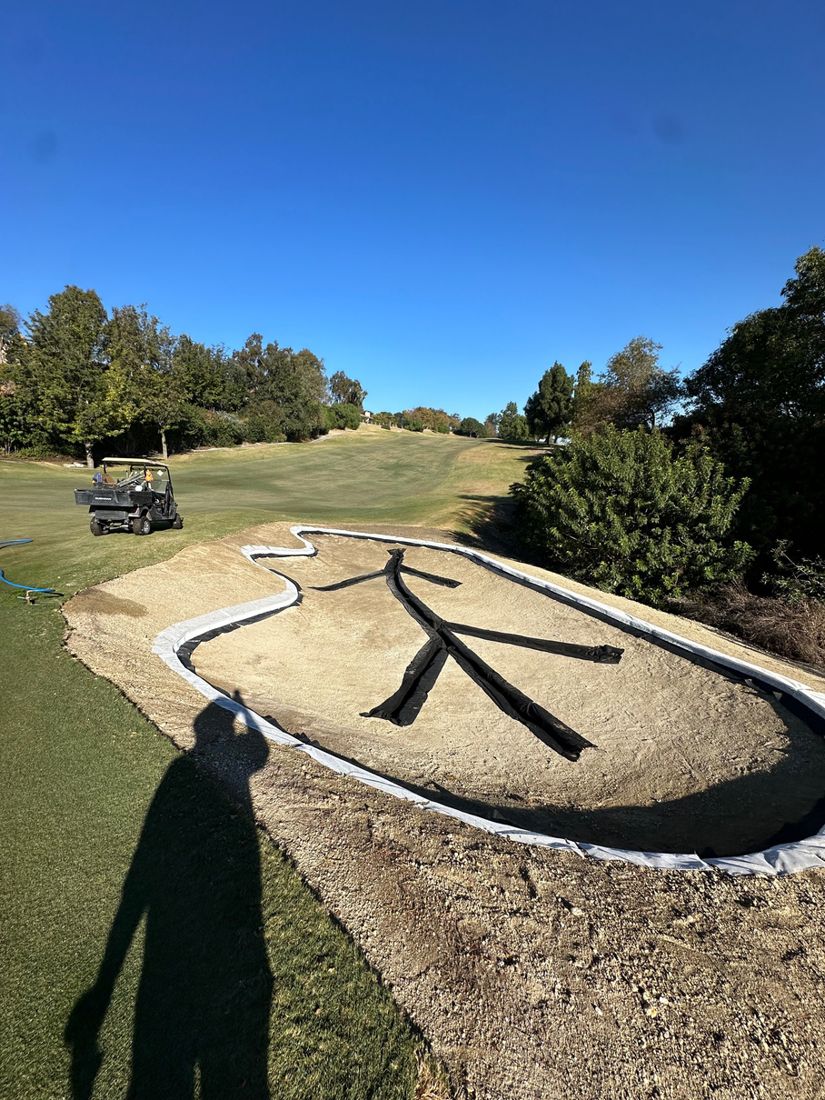
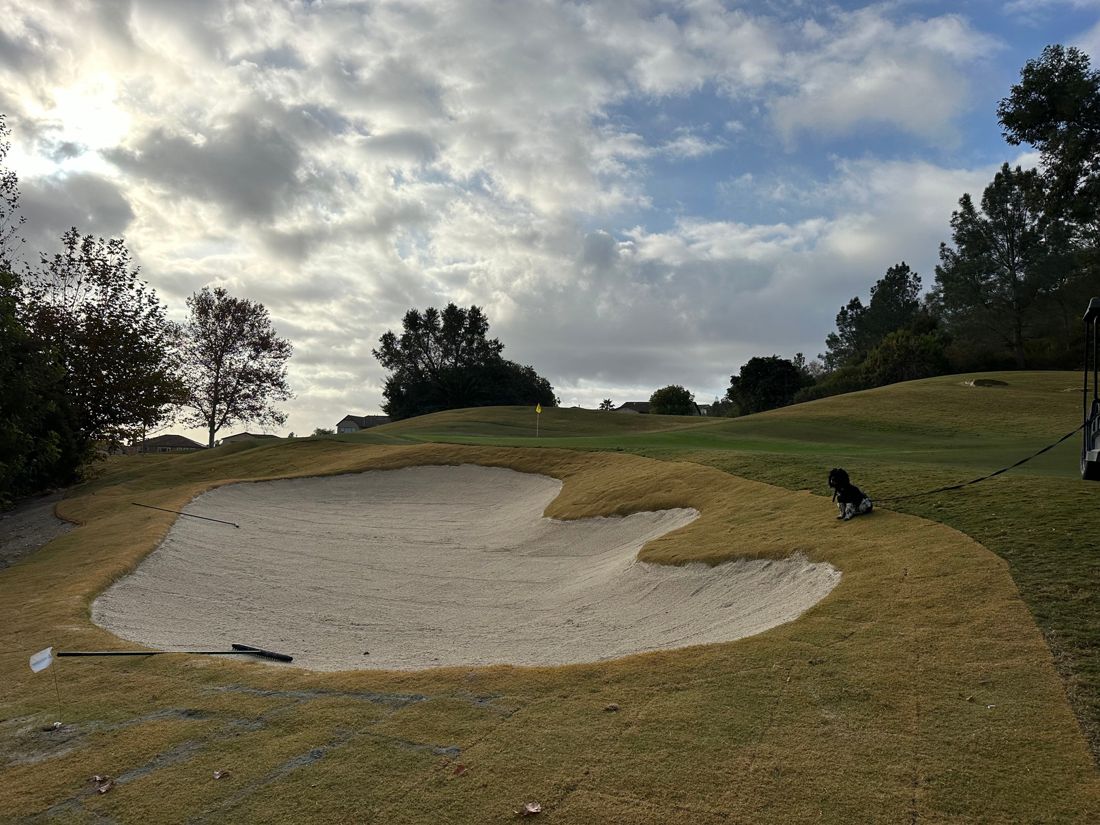
We excavated the old material, reshaped each bunker, dug new drainage trenches and tested every outlet, installed liners, then finished with new sand and sod.
We converted every tee from a patchwork of cool-season grasses to Santa Ana Bermudagrass, all done in house, with sod stripping, grading and resizing.
The ryegrass surrounds were deliberately sized to mow in one pass with a Toro 3500 Sidewinder, and the native soil beyond was seeded with a native fescue mix to save water.


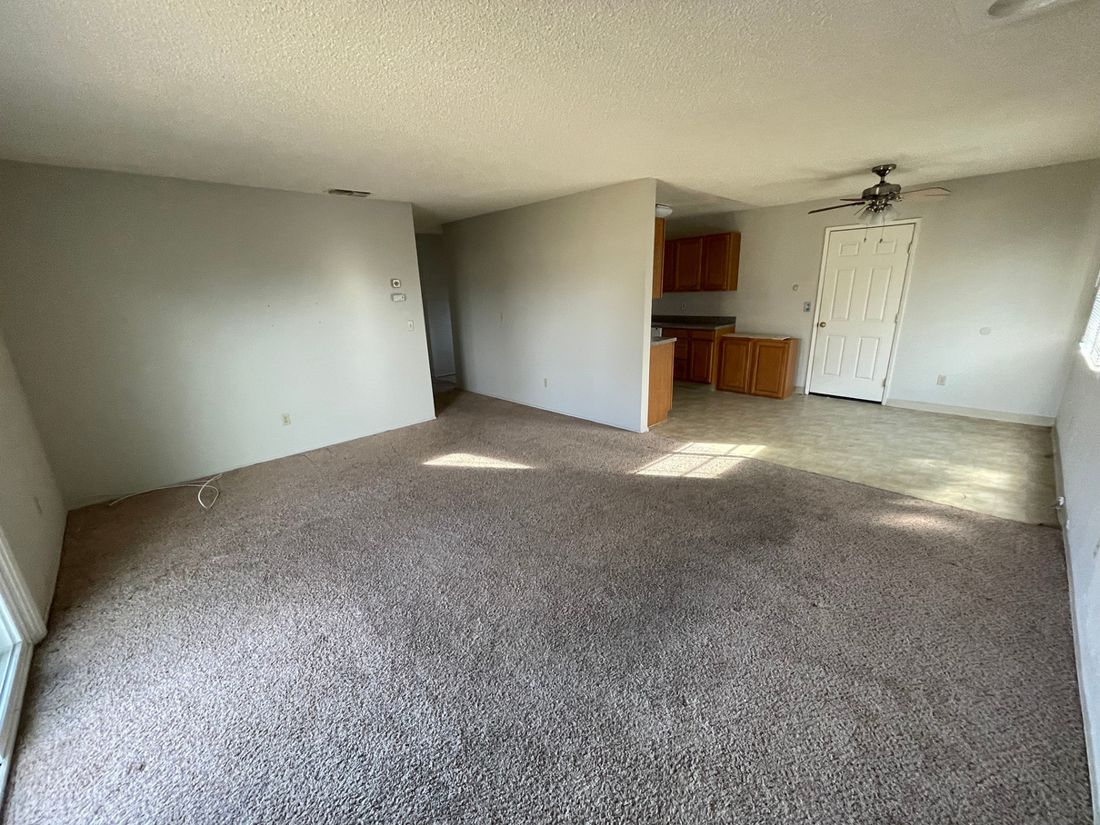
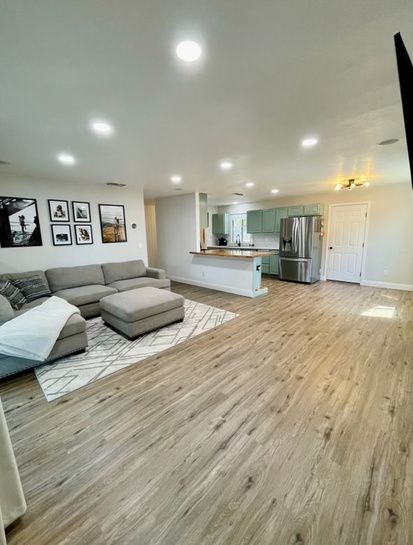
Before golf, I worked on full-house remodels: removing walls, reframing, drywall, relocating gas lines, and installing flooring, countertops, backsplashes and recessed lighting. That experience sharpened my problem-solving and still helps me plan course infrastructure, drainage and facility improvements.
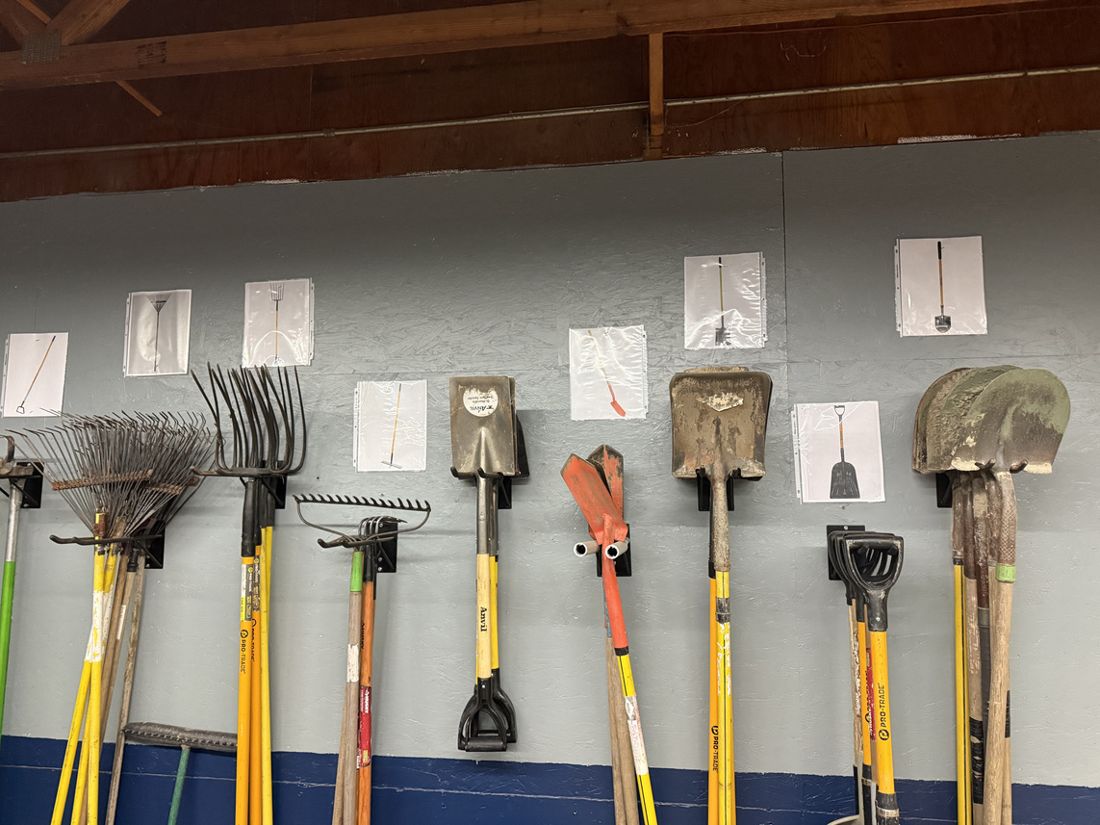
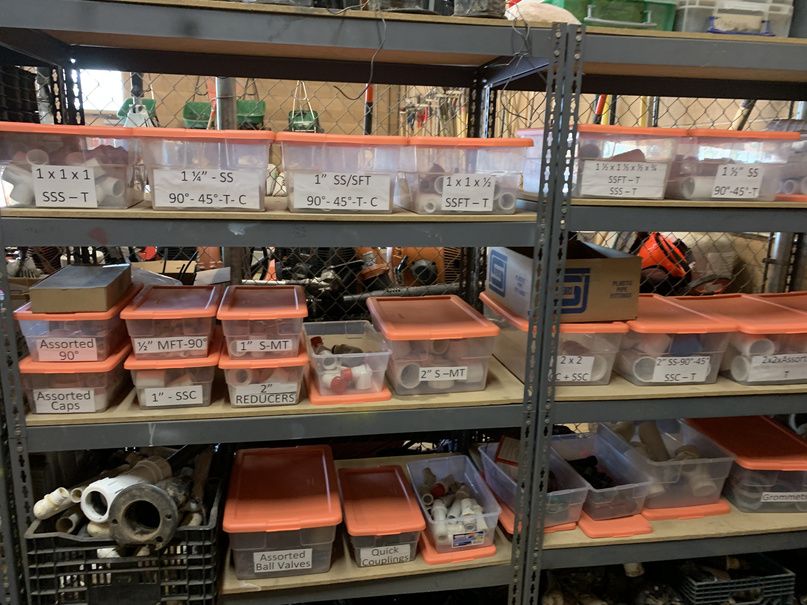
Small organizational improvements add up across a whole crew and free up more time for turf and presentation.


Transparent communication helps members understand agronomic practices and builds support for course improvements.
Turf Talk is a quarterly update I share with the membership. It covers course conditions, agronomic programs and ongoing projects, and explains the strategy behind delivering consistent conditions all year.
“I'm sure not enough people tell you but I think you are doing a phenomenal job managing the course. I've been a member here for over 10 years and cannot recall conditions being this good, this early in the season, EVER!”Member, The Heights Golf Club
“The new superintendent has done a fabulous job on the course. Course conditions after the two week shutdown were fantastic.”Member review
“Golf course was the best shape it's been in a very long time.”Member review
Golf course superintendent with 10 years of progressive experience at private California clubs and a record of measurable results in water conservation, renovation, drainage and crew leadership.
Available on request, including general managers and directors of agronomy I've worked with.
I look forward to connecting with you. Feel free to reach out anytime.